An access control system decides who may pass through a door, turnstile or barrier and records every entry. It replaces keys, duty logbooks and manual passes. Below we explain what access control is made of and what to consider when choosing it.
What access control consists of
- Credentials: cards, fobs, a smartphone, a fingerprint or a face.
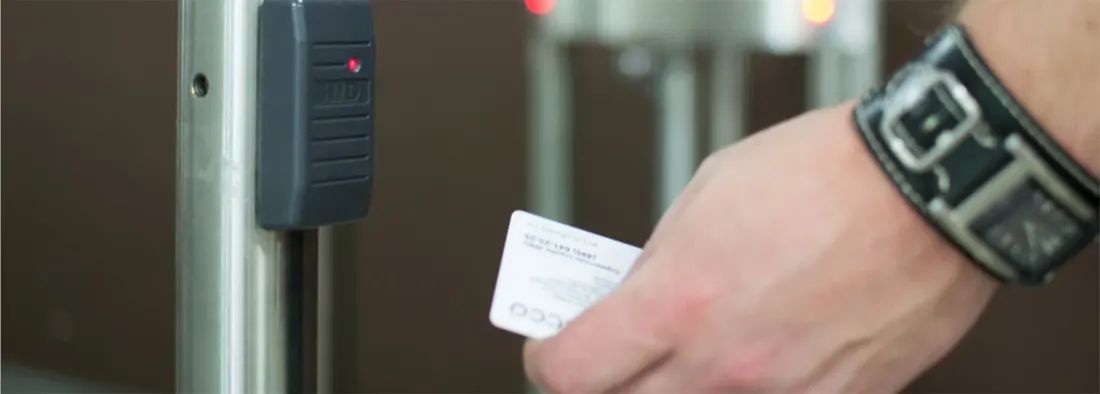
- Readers at the doors that accept the credential.
- Controllers that decide whether the person may pass right now.
- Actuators: magnetic locks, turnstiles, barriers.
- Software where the administrator sets rights and reads logs.
Cards, phone or biometrics
Cards are cheap and familiar, but people lend them to each other. Mobile credentials suit offices: the phone is always at hand and access can be granted or revoked remotely. Biometrics, such as Suprema or ZKTeco terminals, ties the entry to a specific person and is essential for time and attendance. More about faces and plates in recognition.
Wired and wireless locks
Classic access control needs a cable to every door. Where cabling is impossible or there are hundreds of doors, as in hotels and coworking spaces, we fit wireless SALTO electronic locks. For large buildings with intruder alarms in the same system we choose Inner Range Integriti, and typical offices are well served by Ukrainian U-PROX controllers.
What to consider
- How many doors and people now and in three years: the system must be easy to expand.
- Whether you need time and attendance and visitor passes.
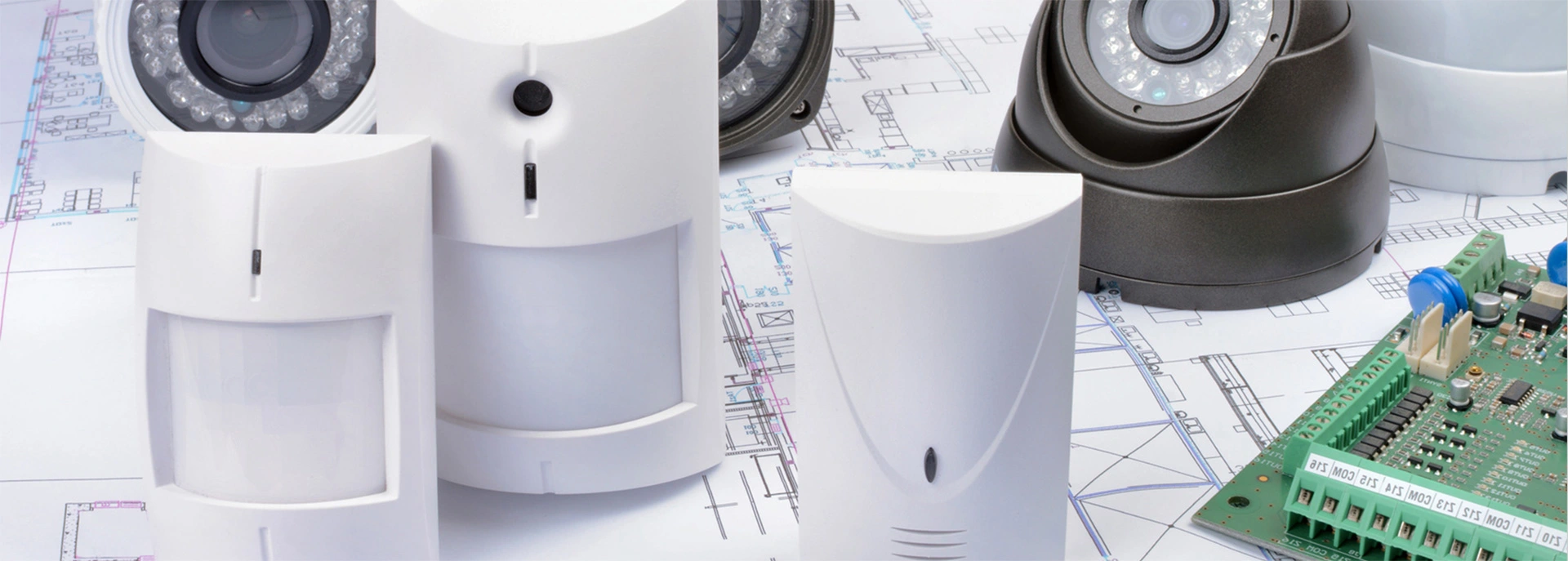
- Integration with CCTV, intercoms and alarms.
- What happens during a power or network failure: emergency exit locks must release.
The easiest start is an engineer's visit: we inspect the doors and entrances, clarify the tasks and propose a system for your budget.